The best home builders do most of their important work before a single shovel hits the ground. They evaluate your land, confirm what can legally be built on it, finalize the design, deliver a clear total project cost, and line up the trades and permits needed to keep the build moving. A strong preconstruction process is the biggest difference between a build that runs smoothly and one that is full of surprises.
If you are planning to build a custom home, knowing what this phase looks like helps you judge any builder you talk to. Here is what a thorough process includes and why each step matters.
Why the Preconstruction Phase Matters So Much
Once framing begins, changes get harder and more disruptive. A window moved after the walls are up, a utility line discovered in the wrong spot, or a permit that comes back with corrections can all stall a project.
Builders who invest in planning up front catch those issues on paper instead of on the construction site. That means fewer delays, fewer change orders, and a finished home that matches what you approved. When people ask what separates the best home builders from the rest, the answer is usually found in how well they prepare.
They Evaluate the Land Before Anything Else
Every lot has its own conditions, and the land shapes the design, the foundation, and the schedule. A thorough builder studies the property before committing to a plan. At Adair, that starts with a Site Visit, where our team walks your homesite and reviews the conditions that will shape your design and site work.
Topography and Soil
Slope, drainage, and soil type affect how a foundation is designed and how much site preparation is needed. A steep lot may need grading, retaining walls, or a different foundation style. Soil testing helps confirm the ground can support the home and informs the engineering behind it.
Utilities and Access
Builders check how power, water, and sewer will reach the home. On rural or undeveloped land, that can mean planning for a well, a septic system, or a longer utility run. They also confirm how construction vehicles and deliveries will get onto the property, since a difficult driveway or narrow road changes the plan.
Sun, Wind, and Views
Good builders look at how the lot sits in relation to sun, prevailing wind, and views. This information guides where the house is placed, where windows go, and how outdoor living areas will feel throughout the day.
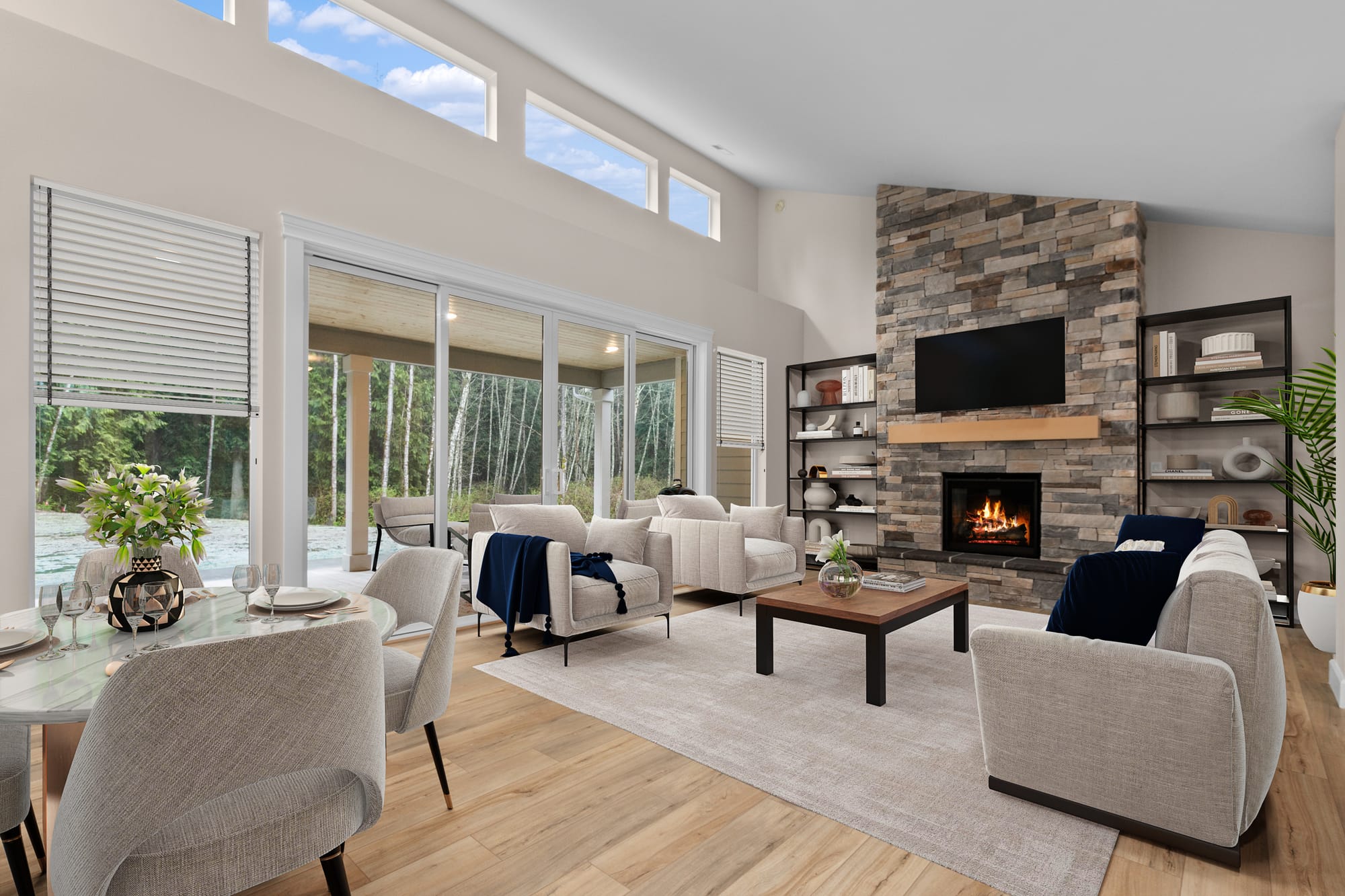
They Confirm What You Can Build and Get the Permits
Before design is final, the best home builders research zoning, setbacks, easements, height limits, and any local rules that apply to your parcel. These requirements vary by city and county, and they can change what is possible on a lot.
Permitting is its own process. A builder who handles it well prepares complete plan sets, submits applications, answers reviewer questions, and tracks approvals so nothing sits unanswered. Timelines vary by jurisdiction, which is why starting early matters.
When your builder handles permitting, much of that burden comes off your plate. Adair applies for permits on your behalf, and if your jurisdiction requires you to submit any specialized permits yourself, we help you prepare them.
They Finalize the Design With You
The design phase is where your goals turn into a buildable plan. Strong builders treat it as a conversation about how you live, not just a menu of options.
You can start with a proven floor plan and modify it a little or a lot, from moving a wall or adding windows to reshaping rooms around your lot. Or you can design a fully custom home from scratch, Adair offers both paths: modify one of more than 50 predesigned plans, or choose Design & Build and create a fully custom home with our in-house design team, including a 3D walkthrough of the interior and exterior before construction begins.
Before construction begins, the best builders also help you make selections for finishes, fixtures, and materials, so decisions are made calmly in advance instead of under pressure mid-build.
They Give You a Complete Cost Picture Before You Commit
One of the clearest signs of a well-run builder is a detailed total project cost delivered before you sign a contract. That number should account for more than the house itself. It should include site development, utility connections, permits, and the other costs that come with building on your own land.
Builders who skip this step often leave homeowners guessing, and unexpected costs tend to appear later. A complete total project cost up front lets you make decisions with confidence and plan your financing accurately.
They Sort Out Financing Early
Building a custom home usually involves a construction loan, which works differently from a standard mortgage. Funds are released in stages as work is completed, and the lender needs approved plans, a budget, and a schedule.
The best home builders understand this process and help you prepare for it. Adair offers financing through Basis Home Loans, which is designed around the construction process so your loan and your project stay aligned from the start. If you are still looking for land, Basis also offers a Land Only Loan that can later be rolled into your construction loan.
They Build the Schedule and Line Up the Trades
A home is built by many specialists, including excavators, concrete crews, framers, electricians, plumbers, HVAC technicians, and finish carpenters. Each one needs to arrive at the right moment. If one trade runs late or shows up early, the whole sequence can slip.
Before construction starts, an experienced builder maps out this sequence, schedules trades, and orders materials with long lead times. A network of trusted trade partners makes this far more reliable, since those teams know the builder’s standards and expectations.
At Adair, a network of trusted trade partners completes specialized work while Adair oversees and manages the build from start to finish. That coordination begins well before the first day on site.
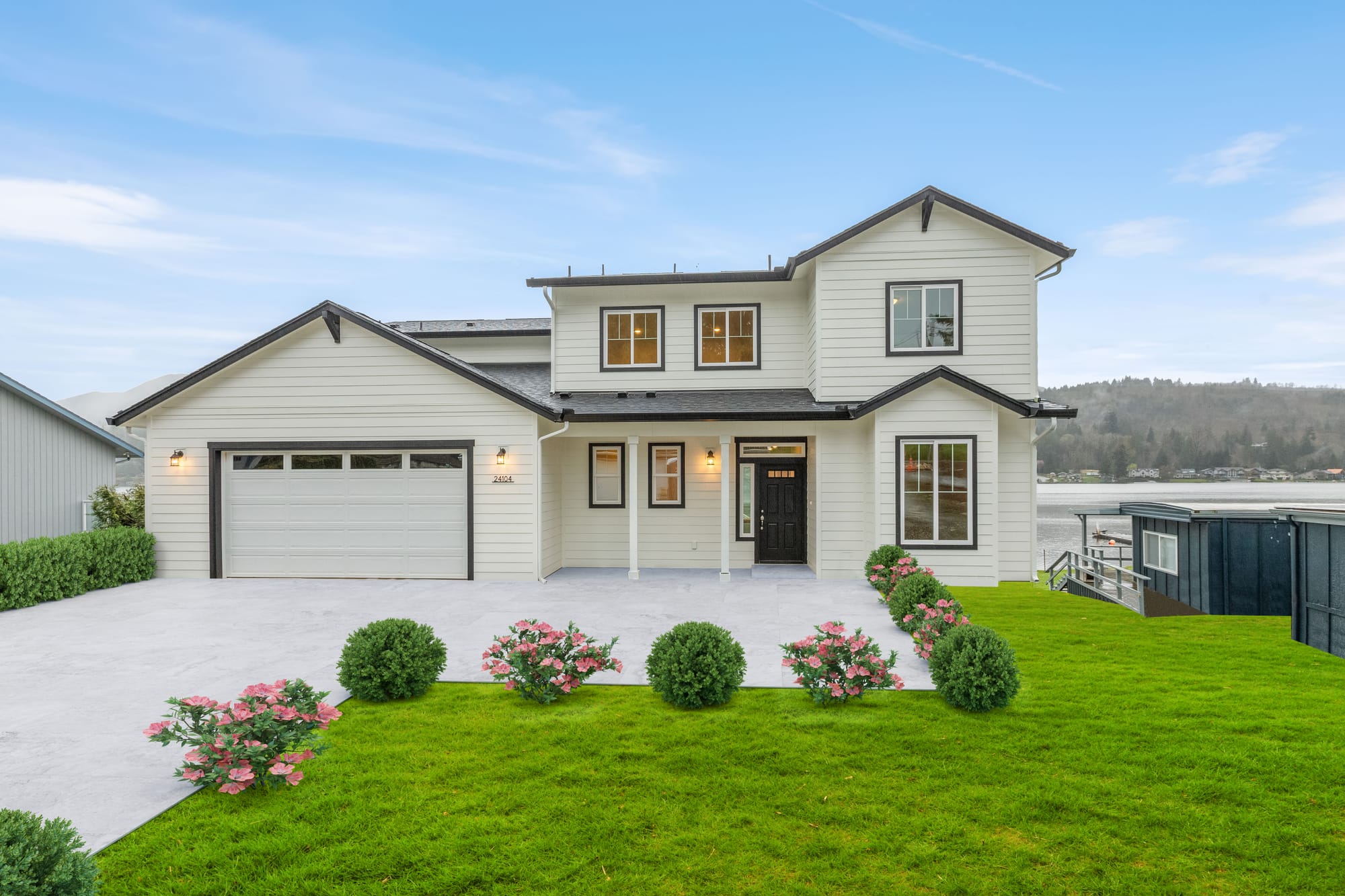
They Set Clear Expectations for Communication
Great builders also decide up front how you will stay informed. You should know who your main contact is, how updates are shared, and when key decisions will be needed from you.
Clear communication keeps a long project from feeling stressful. When you know what is happening next, you can plan your own life around the build with far less guesswork. At Adair, you have a dedicated point of contact and proactive updates throughout your build.
A Simple Look at the Preconstruction Sequence
The exact order varies by project, but most well-run builds follow a path like this:
- Evaluate the land and confirm utilities, access, and site conditions.
- Research zoning and local requirements for your parcel.
- Choose and customize a floor plan, or begin a design from scratch.
- Review a complete total project cost before signing a contract.
- Arrange construction financing.
- Submit plans and obtain permits.
- Prepare the site and schedule trades and materials.
Seeing the process laid out helps you ask better questions when you interview builders.
What to Look For When Choosing a Builder
When you compare builders, pay attention to how they handle the work that comes before construction. These signs point to a strong process:
- They walk your land or review it carefully before recommending a plan.
- They explain permitting and site development clearly instead of leaving it to you.
- They offer true customization, not just a few cosmetic choices.
- They provide a detailed total project cost before you commit.
- They manage trades and scheduling directly.
- They have a long track record. Adair has been building since 1969 and has built more than 25,000 custom homes across Arizona, Idaho, Oregon, and Washington.
How Adair Prepares Your Build
Adair approaches preconstruction as part of a complete, managed experience. From developing your site through permitting, trade coordination, and construction, Adair manages the project so you are not juggling it all yourself. Your local Design Center team works with you on plan selection, customization, and the planning steps that set the build up for success.
Frequently Asked Questions
What do home builders do before construction starts?
Builders evaluate the site, confirm zoning and local requirements, finalize the design, prepare a detailed total project cost, help arrange financing, obtain permits, and schedule trades and materials. This planning phase often takes longer than homeowners expect.
How long does the preconstruction phase take?
It depends on your land, your design, and how quickly local permits are approved. Complex sites and custom designs usually take longer than simple lots with an existing plan.For a step-by-step look at typical timelines, see our Homebuilding Timeline Guide.
Why do I need a site evaluation before building?
A site evaluation shows how slope, soil, drainage, and utilities affect your home. It helps prevent surprises during construction and guides the foundation and site preparation plan.
Should I expect a cost estimate before signing a contract?
Yes. A complete total project cost before you sign lets you understand the full scope, including site work and permits, so you can plan with confidence.
Can I customize a plan during preconstruction?
Yes. This is the best time to make changes. You can modify a floor plan a little or a lot, by removing a wall or adding a window, or Design & Build from scratch with an in house design team.
Start With a Plan That Fits Your Land
The best home builders earn their reputation before construction begins. If you are ready to start planning a custom home on your own land, schedule a consultation with your local Adair Design Center and see how a well-managed preconstruction process works.

