There’s a reason Washington feels like it offers a little bit of everything.
Seattle and Olympia offer the best in big-city artistic and cultural attractions, while a short drive into the country will find you winding past orchards and ancient barns under wide-open skies. If you’re considering a new home, it helps to think about more than square footage and school districts. With new beginnings come opportunities to redefine your lifestyle: the rhythm of your day, community life, quietude, and convenience—what do they mean to you?
When people choose a location, they’re choosing a lifestyle. So whether you’re drawn to the buzz of Seattle, the growing ease of Olympia, or the serene draw of small places like White Salmon, here’s a friendly, practical look at the pros and cons of living in urban, suburban, or rural settings—tailored for Washington state.
Rural Living in Washington: Privacy, Views, and the Great Outdoors
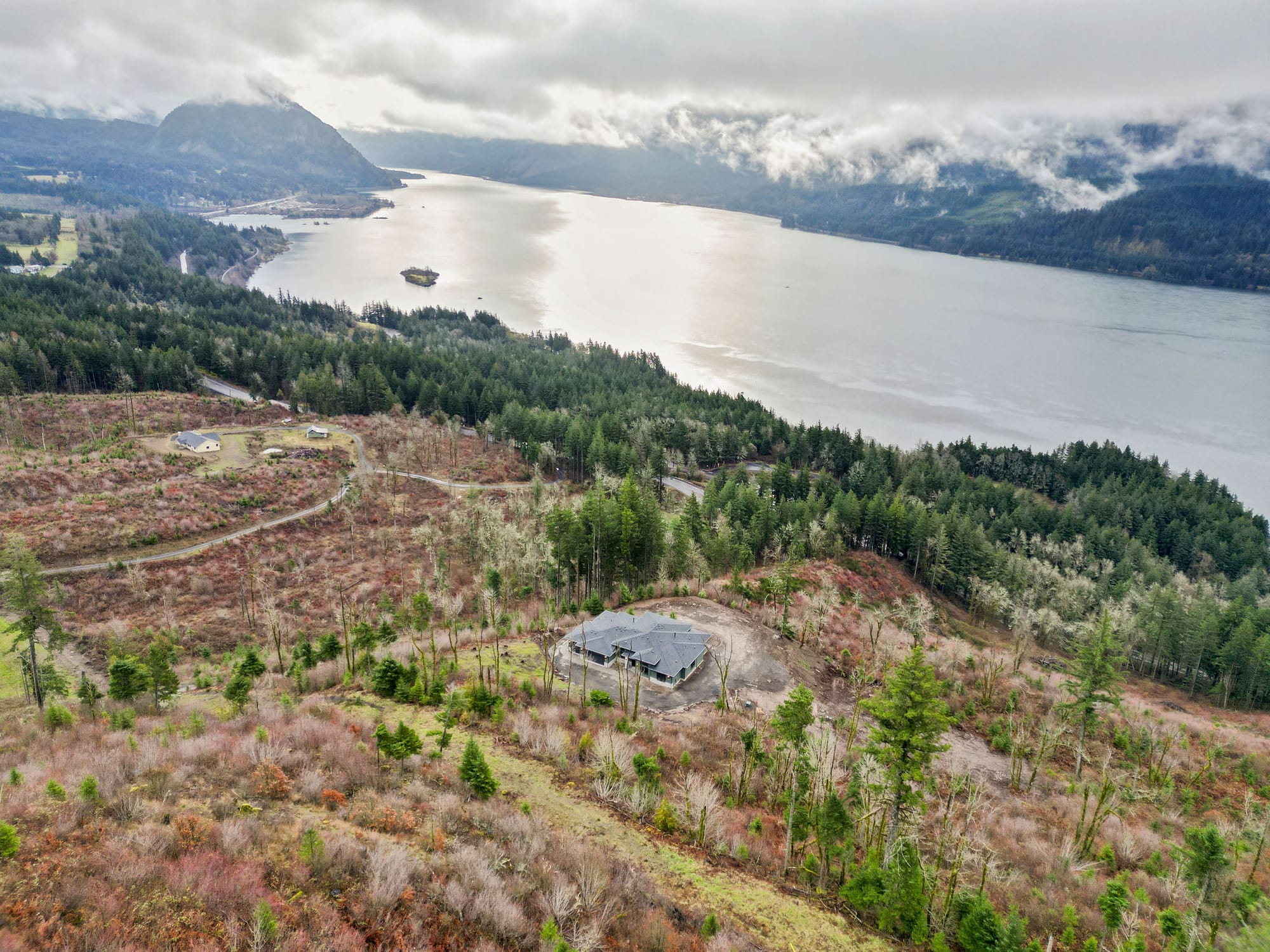
Rural Washington can feel like a deep exhale. Picture morning coffee with a view of evergreens, weekends that start with fresh air instead of errands, and space that lets your life expand.
Rural Pros
Privacy and space. Fewer neighbors close by often means more freedom—inside and out. It’s easier to create the kind of home life you want, whether that means gardening, hosting family and friends, or simply letting kids roam.
Lower land costs. In many rural areas, land tends to be more affordable than in and around major city centers. That initial savings can make it easier to plan for yards, workshops, garages, or extra room for the future.
Views. Washington is famous for its scenery, and rural lots often offer what people dream about: sweeping landscapes, filtered mountain views, river-adjacent calm, or the simple unobstructed view of nature.
Rural Cons
Utility connections can be complicated. In many rural areas, services like sewer, natural gas, or high-capacity water may require special setups. Providing for these connections can affect timelines, planning, and long-term maintenance.
Septic and water considerations. If your home relies on septic and well water, those become part of everyday life. Will you need to dig your own well? Besides connectivity, you’ll want to plan for inspections, proper maintenance, and budgeting that accounts for system care over time.
Distance to services. Stores, specialty services, and even everyday conveniences can require more driving. For some households, that’s a trade they gladly accept; for others, it changes the way weekends are structured.
Where this really shines:
If your ideal day includes outdoor time, a slower pace, and a home that feels like a retreat, rural settings can be a perfect match. It’s especially appealing for those who love Washington’s natural beauty and don’t mind building routines around it.
“Town” Living Around Washington: Convenience Without the Hustle

Living in-town includes the small cities and well-established communities that sit between rural isolation and big-city intensity. Think places that still feel neighborly, where you can get things done without turning every trip into a long drive.
Town Pros
Utility access. Many towns offer more reliable access to services, which can simplify home planning. When sewer and water are already in place, you may spend less time thinking about systems and more time thinking about your home’s design.
Short commutes. If you work locally—or you’re commuting into a nearby larger area—shorter drives can be a major lifestyle win. Time saved adds up quickly, especially on weeknights.
Established neighborhoods. Town neighborhoods often come with a sense of stability: familiar streets, established trees, longtime residents, and the kind of community feel that makes it easy to settle in.
Town Cons
Smaller Lot Sizes. In town, you’ll find that most lot sizes are smaller. Convenience often comes with trade-offs. Many homes sit on lots that are more compact—meaning less yard space, fewer opportunities for expansion, and a tighter “outdoor footprint.”
Busy Streets. While town life is usually calmer than city life, it can still feel more active during peak hours—especially near schools, main roads, and retail areas.
Rules & Regulations. Towns simply have more rules to follow. If your ideal future includes a large garden, chickens, and room to build outbuildings or ADUs, you might need to research your proposed ‘extras’ and take into account town restrictions.
Town living is ideal for people who want convenience but still value community. It works well for families, busy professionals, and anyone who wants a straightforward routine without giving up comfort.
Urban Living: Seattle’s Energy, Olympia’s Momentum

Urban living in Washington is where you feel the state’s cultural pulse. There’s access—to jobs, dining, events, and everything that makes a city feel alive. But cities require some give and take when it comes to space, quiet, and traffic.
Urban Pros
Access to everything. In cities, you’re closer to more types of entertainment, dining, and services. If you like being able to do things spontaneously, urban living supports that.
More housing choices and neighborhoods. Cities in Washington offer a range of vibes—urban core energy, tree-lined residential pockets, waterfront views, walkable cores, and more. You can often find your “feel” within the city itself.
Walkability and transit options. Even if you don’t go car-free, proximity can reduce how often you need to drive for every errand. Bicycles, scooters, and local transit become part of everyday life.
Urban Cons
Smaller lots. Less outdoor space. Urban homes often trade land for location. That can mean less room to garden, fewer chances for privacy, and more reliance on outdoor space that’s designed rather than abundant.
Higher costs. Between land prices and the cost of services, urban living can often require a bigger budget. It may also limit what you can build now—or how much you can expand later.
More noise and activity. Even in quieter neighborhoods, the city has a constant hum. For some households, that’s part of the appeal. For others, it’s a daily reminder that rest comes differently here.
Seattle vs. Olympia: a useful contrast
Seattle often feels like Washington’s fast-moving center—busy, diverse, and full of momentum. It’s especially attractive to people who want cultural variety and career access.
Olympia, meanwhile, can offer a different kind of urban experience—more grounded, community-forward, and often with a calmer day-to-day feel. It’s a great option for people who want city conveniences without the intensity of a major metropolis.
Small Places Like White Salmon: The Best of Rural and Town Life
Small communities like White Salmon offer a particular magic: the sense of belonging paired with the best of the outdoors. It’s not isolated—it’s simply removed from the bustle of commerce.
The trade-off is usually about convenience and services. But many residents find that the lifestyle gains—community connection, slower pace, and access to the outdoors—more than make up for the access to all things found in urban centers.
Choosing Your Setting: A Simple Lifestyle Checklist:
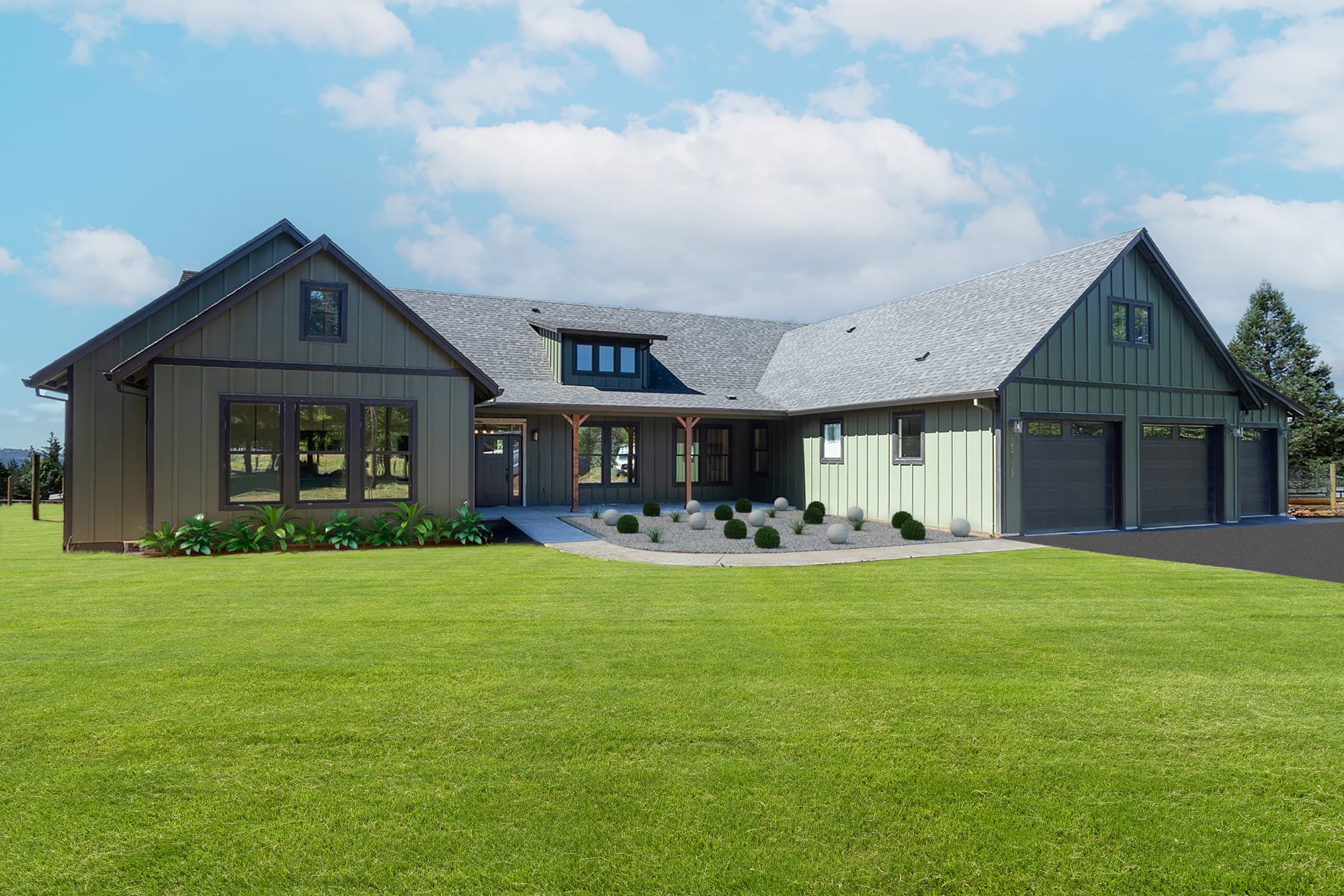
Before you fall in love with a specific neighborhood or view, consider what your weekdays actually require:
- If your top priority is privacy, space, and scenery, rural may fit best—just plan for utility realities like septic and water.
- If your priority is easy errands, dependable services, and neighborhood feel, town living often nails it—while accepting smaller lots.
- If your priority is access, energy, and more activities close at hand, urban living can be exhilarating—especially in places like Seattle and with a more balanced feel in Olympia.
- If you want community and natural access without fully giving up convenience, small-town options like White Salmon can be a sweet spot.
The Adair Homes Approach
“The best setting is the one that makes your mornings feel effortless and your evenings feel like yours.”
Wherever you decide to live in Washington State, your home should support the lifestyle you want—whether that’s entertaining friends in a spacious yard, walking to your favorite book shop, or taking a hike into the foothills from your front door.
The best setting is the one that makes your mornings feel effortless and your evenings feel like yours.
If this resonates with you, call or stop in at your local Adair Homes Design Center and meet with a Home Ownership Counselor. Together you can determine a budget, personalize a floor plan, and schedule a free site evaluation for your chosen property.

