Washington State covers an enormous range of geography, climate, and population density. The western side of the Cascades gets heavy rainfall and sits close to major metro areas. The eastern side is drier, more rural, and operates on a different economic and regulatory pace. For anyone planning to build a custom home in Washington, the county where your lot sits shapes nearly every part of the process, from permitting timelines to utility options to what the land itself requires before construction can begin.
Working with an experienced home builder in Washington who understands these regional differences makes the process significantly smoother.
Why County Matters More Than State
When people research building a custom home, they often focus on statewide rules. Washington does have statewide building codes, energy standards, and environmental regulations that apply everywhere. But the day-to-day experience of building, including how long permits take, what site development requires, and which utilities are available, is largely determined at the county level.
A lot in King County moves through a different permitting process than a lot in Stevens County. A parcel near Spokane faces different soil and utility conditions than one outside Bellingham. Understanding those differences before you finalize a lot is one of the most useful things a prospective homeowner can do.
Western Washington: Rainfall, Regulations, and Longer Permit Timelines
The counties west of the Cascades, including King, Pierce, Snohomish, Thurston, Clark, and Whatcom, are among the most populated in the state. With population density comes more developed regulatory infrastructure. Permit applications in these counties can take longer to process simply because the volume of submissions is higher and the review requirements are more detailed.
Western Washington counties also deal with specific environmental considerations. The region’s heavy rainfall means drainage and stormwater management are closely scrutinized. Many parcels near water bodies, wetlands, or steep slopes are subject to critical areas ordinances that restrict where structures can be placed and what site work requires additional review.
Soil conditions in western Washington vary considerably. Clay-heavy soils are common in lowland areas and can retain water, which affects foundation design and grading plans. A thorough soil assessment before design begins helps avoid costly adjustments later in the process.
Despite the added complexity, western Washington remains one of the most active regions for custom home construction in the state. Lots with mountain views, waterfront access, or proximity to cities like Seattle and Tacoma continue to attract buyers who want a home built specifically for their land.
The Puget Sound Corridor
The counties surrounding Puget Sound represent some of the most competitive land markets in Washington. Lots here tend to be smaller, more expensive, and more constrained by zoning and setback requirements than rural parcels further from the metro core.
For a custom home builder in Washington working in this corridor, the design process often starts with understanding exactly what the lot will allow before a floor plan is selected. Setbacks from property lines, height restrictions, impervious surface limits, and view corridor protections can all affect what gets built and where it sits on the lot.
That said, Puget Sound lots often come with infrastructure already in place. Municipal water and sewer connections are common, which simplifies the site development process compared to rural parcels that require a well and septic system.
Eastern Washington: More Space, Different Challenges
East of the Cascades, the landscape changes dramatically. Counties like Spokane, Benton, Yakima, Grant, and Whitman offer larger parcels, lower land costs, and a building environment that moves at a different pace. Permit timelines in many eastern Washington counties are shorter than their western counterparts, and rural lots are often more accessible and easier to develop from a site work standpoint.
The tradeoffs are different here. Many eastern Washington lots are served by well and septic rather than municipal utilities, which adds steps to the site preparation process. Soil conditions vary across the region, with some areas featuring volcanic or basaltic rock close to the surface that affects excavation and foundation work. Summers are hot and dry, which influences energy efficiency planning and exterior material choices.
For families looking to build on acreage outside a city, eastern Washington offers strong value. The combination of lower land costs, shorter build timelines, and wide-open parcels makes it an appealing region for custom home construction.
Spokane County and the Inland Northwest
Spokane County is the population center of eastern Washington and offers a different building experience than the more rural counties surrounding it. Infrastructure is more developed, municipal services are more widely available, and the local building community is well established.
Permit processing in Spokane County is generally more streamlined than in the larger western Washington counties, though requirements have grown more detailed as the region has seen increased development activity. The city of Spokane and its surrounding suburbs have experienced significant growth, which has brought more scrutiny to lot coverage, stormwater, and utility capacity.
For homeowners building in Spokane County, the range of lot options is wide. Urban infill lots close to amenities, suburban parcels in growing neighborhoods, and larger rural lots on the outskirts all present different site conditions and regulatory contexts.
Rural Counties: Flexibility and Longer Lead Times for Infrastructure
Washington’s more rural counties, including Ferry, Pend Oreille, Okanogan, Lincoln, and others in the northeast and central parts of the state, offer some of the most affordable land in the state. Building in these counties can be a genuinely rewarding experience for families who want space, privacy, and a slower pace.
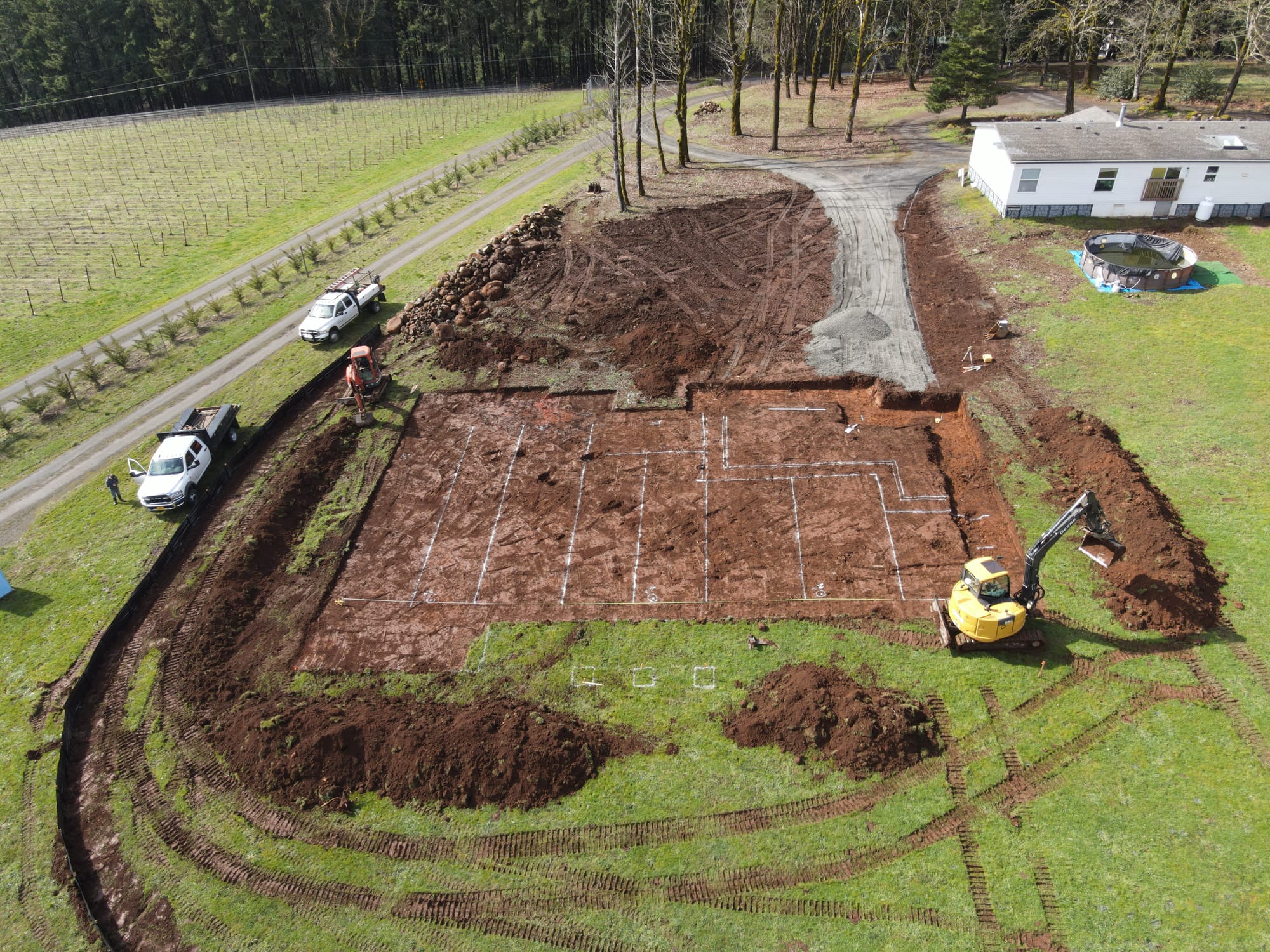
The main considerations in rural counties are infrastructure and access. Utility connections may require running power or propane service over longer distances. Well drilling and septic installation are standard rather than optional. Road access to the building site may need grading or improvement before construction equipment can reach the lot safely.
Permitting in rural counties is often less complicated in terms of regulatory complexity, but county offices may have limited staff, which can affect response times. Building a custom home in a rural Washington county rewards patience and early planning.
What Stays the Same Across Every County
Despite the regional differences, several things remain consistent when you build a custom home in Washington. Statewide energy code requirements apply everywhere and influence insulation, windows, mechanical systems, and air sealing. Structural engineering requirements based on seismic activity apply statewide. And the fundamental sequence of the build, from site preparation through framing, mechanical rough-in, insulation, drywall, and finish work, follows the same order regardless of county.
Build timelines at Adair Homes for Washington projects are estimated at 8 to 10 months from the time the foundation is poured, though timelines are never guaranteed and can be affected by weather, permit schedules, and site conditions specific to your county.
How Adair Homes Builds Across Washington
Adair Homes has been building custom homes since 1969 and has completed more than 25,000 homes across its build states, including Washington. The process is fully managed, covering site development, permitting, trade coordination, and construction from start to finish.
Whether your lot is in a Puget Sound suburb, a growing Spokane neighborhood, or a rural county on the eastern side of the state, Adair manages the county-specific requirements that come with your location. With more than 50 predesigned floor plans that can be modified to fit your site, or the option to design from scratch with the in-house drafting team, the starting point is always the home you actually want.
If you own land in Washington and are ready to understand what building on it looks like, the Adair Homes team can walk you through the site-specific details for your county.

