Owning your land puts you ahead of most people who want a custom home. You have the location, the views, and the space. What you may not have is a clear picture of how to pay for the build. Construction loans for land you already own work a little differently from a standard mortgage, and knowing the basics before you apply makes the whole process smoother.
This guide explains how a construction loan works when you own the land, what lenders look at, how funds are released during the build, and how to prepare so your application moves forward without delays.
How a Construction Loan Works When You Own the Land
A traditional mortgage pays for a finished house. A construction loan pays for a house that does not exist yet. Because of that, the construction loan releases money in stages as work is completed instead of handing over one lump sum at closing.
When you already own your lot, the loan covers the cost of building the home. That includes site development, the foundation, framing, mechanical systems, interior finishes, and the final walkthrough. The land itself is already yours, so you are not borrowing to buy it.
Most construction loans run in two phases. During the build, you typically make interest payments only on the amount that has been released so far. Once the home is finished, the construction loan either converts to a permanent mortgage or you refinance into one, depending on the loan structure you choose.
How Owning the Land Helps You Qualify
Your lot is an asset, and lenders treat it that way. If you own the land free and clear, the value of that land can often count toward the down payment on your construction loan. If you still owe a balance on it, the equity you have built up may still count.
This is one of the biggest advantages of owning land before you build. Instead of coming to the table with all cash for a down payment, you may be able to use the value you already hold in the property. A lender will confirm that value through an appraisal, so the exact amount depends on your lot, your plans, and the lender's guidelines.
Owning land also means you have already made a significant investment in your project, and that equity works in your favor when you apply.
What Lenders Look For
Every lender has its own requirements, but most look at three areas when they review a construction loan for land you already own: the plans, the builder, and your finances.
Your Plans and Budget
A lender will not approve a construction loan on a vague idea. They want to see finished plans, a detailed scope of work, and a full budget from your builder. The appraiser uses those documents to estimate what the home will be worth once it is complete.
This is where a custom home process with a clear structure helps. When your floor plan is final and your pricing is itemized, the lender has what it needs. If you are modifying an existing plan, such as removing a wall or adding a window, or designing your home from scratch with a drafting team, those changes need to be settled before the loan is finalized.
Your Builder
With a construction loan, the lender is also qualifying your builder. They want to know the company is licensed, insured, financially stable, and experienced enough to finish the project on budget. A builder with a long track record is easier for a lender to approve than a first time contractor.
Adair Homes has been building since 1969 and has completed more than 25,000 homes. That history matters when a lender evaluates the project, and it gives you confidence that the person managing your build has done this before.
Your Finances
Expect the lender to review your credit, income, debt, and cash reserves. Construction lending is usually held to a higher standard than a standard purchase loan because the lender is taking on more risk before the home exists. Strong credit and steady income help a construction loan application, and so do reserves that can cover unexpected costs.
Construction to Permanent Loans and Construction Only Loans
You will likely hear about two main structures.
Construction to Permanent Loans
This loan combines the build financing and the long term mortgage into one. You go through one application and one closing. When the home is finished, the loan converts into a permanent mortgage, usually without a second round of paperwork.
Many homeowners like this option because it means one set of closing costs and one approval process. It also can reduce the risk of changes in your financial picture between the end of construction and the start of your mortgage.
Construction Only Loans
A construction only loan covers the build period and nothing more. When the home is complete, you pay off the loan, usually by getting a separate mortgage. That means two closings and two rounds of qualification.
Some people choose this route because they plan to pay off the loan with other funds, or because they want the flexibility to shop for mortgage terms later. The tradeoff is the added paperwork and the risk that your finances or the market change before you refinance.
How Draws and Inspections Work
The draw schedule is the heart of every construction loan. Instead of receiving all the money upfront, the lender releases funds at set milestones. A typical schedule follows the major stages of the build, such as the foundation, framing, rough in of the mechanical systems, drywall, and final completion.
Before each draw, the lender usually sends an inspector to confirm the work is finished and matches the plans. Once the inspection is approved, funds are released to pay the builder and trade partners for that stage.
For you, this process offers a layer of protection. Money only moves when real progress has been made. For your builder, it means the project needs strong organization. Work has to be scheduled, completed, and documented so that each inspection goes smoothly and draws are not delayed.
This is another reason a professional project management team matters. Adair manages site preparation, permitting, trade coordination, and construction from start to finish, and a network of trusted trade partners completes specialized work while Adair oversees the build. That structure keeps stages moving in order, which keeps draws on track.
If Your Land Still Has a Loan on It
Plenty of people buy land first and pay it off over time. If you still owe money on your lot, you have a few options.
- Pay off the land balance as part of the construction loan, so everything is rolled into one loan.
- Keep the land loan in place if the lender allows it and the combined payments fit your plan.
- Use your existing equity to meet the down payment requirement on the new loan.
Which route makes sense depends on your balance, your lender, and your goals. A lender will need your current loan statement and will usually order an appraisal to confirm the value of the lot.
Documents to Gather Before You Apply
Having your paperwork ready helps the process move faster. Most lenders will ask for items like these:
- Proof of land ownership, such as the deed or title
- A survey or plot plan of your property
- Final house plans and specifications
- An itemized construction budget and contract from your builder
- Recent pay stubs, tax returns, and bank statements
- Your builder's license and insurance information
- Details on any existing loan against the land
Your builder can supply many of these, including the plans, budget, and contract. If you do not have a plot plan yet, that is one of the early steps in a custom build.
Why Your Builder Matters as Much as Your Loan
Construction financing and building go hand in hand. A construction loan only works if the project it funds is planned well, priced accurately, and managed carefully. Delays, scope changes, and unclear budgets are what cause problems with draws and inspections.
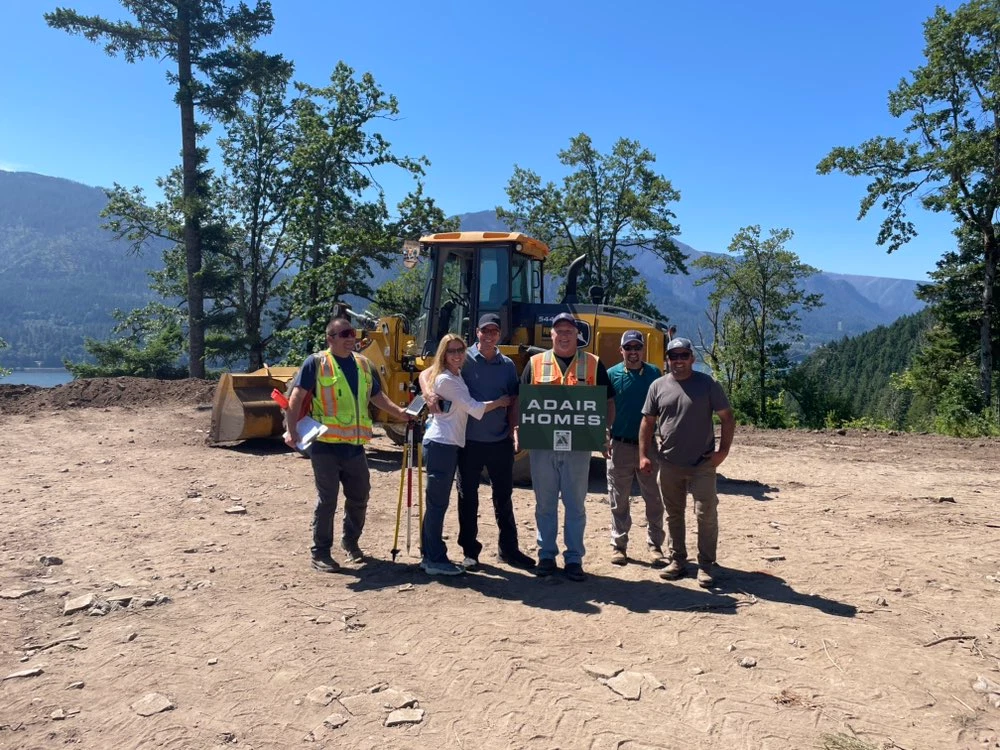
When you build with Adair, you work with a team that handles the full process. That includes developing your site, pulling permits, coordinating the trades, and managing construction. You can also visit a Design Center to work through your floor plan options, from modifying one of the more than 50 predesigned plans to designing your home from scratch with our in house drafting team and watching your dream home come to life.
For financing, Adair works with Basis Home Loans. Outside financing is acceptable as well. Speaking with your chosen financing partner early about your construction loan gives you a realistic view of what your land equity can do for your project, and it lets you line up your loan with your build instead of treating them as separate tasks.
Take the First Step
If you own land and want a construction loan, you are already further along than you may think. The next move is to understand how your lot, your plans, and your finances fit together.
Schedule a site visit with Adair Homes to review your property and talk through your goals. From there, you can explore floor plans, discuss customization, and connect with Basis Home Loans about financing so your construction loan is ready when your plans are.

